What is there to know about $10?
The fourth month of the year is when the year really starts to hit me. No longer in the cushy 'first quarter', April brings seasonal change and an awareness of time slipping by faster than you thought. I have also fallen victim to my age old habit of thinking I have more time than I do, and found myself hitting multiple deadlines all at once this fortnight!
Here's what we've got this month:
- Long piece: The right epistemological tool for the job
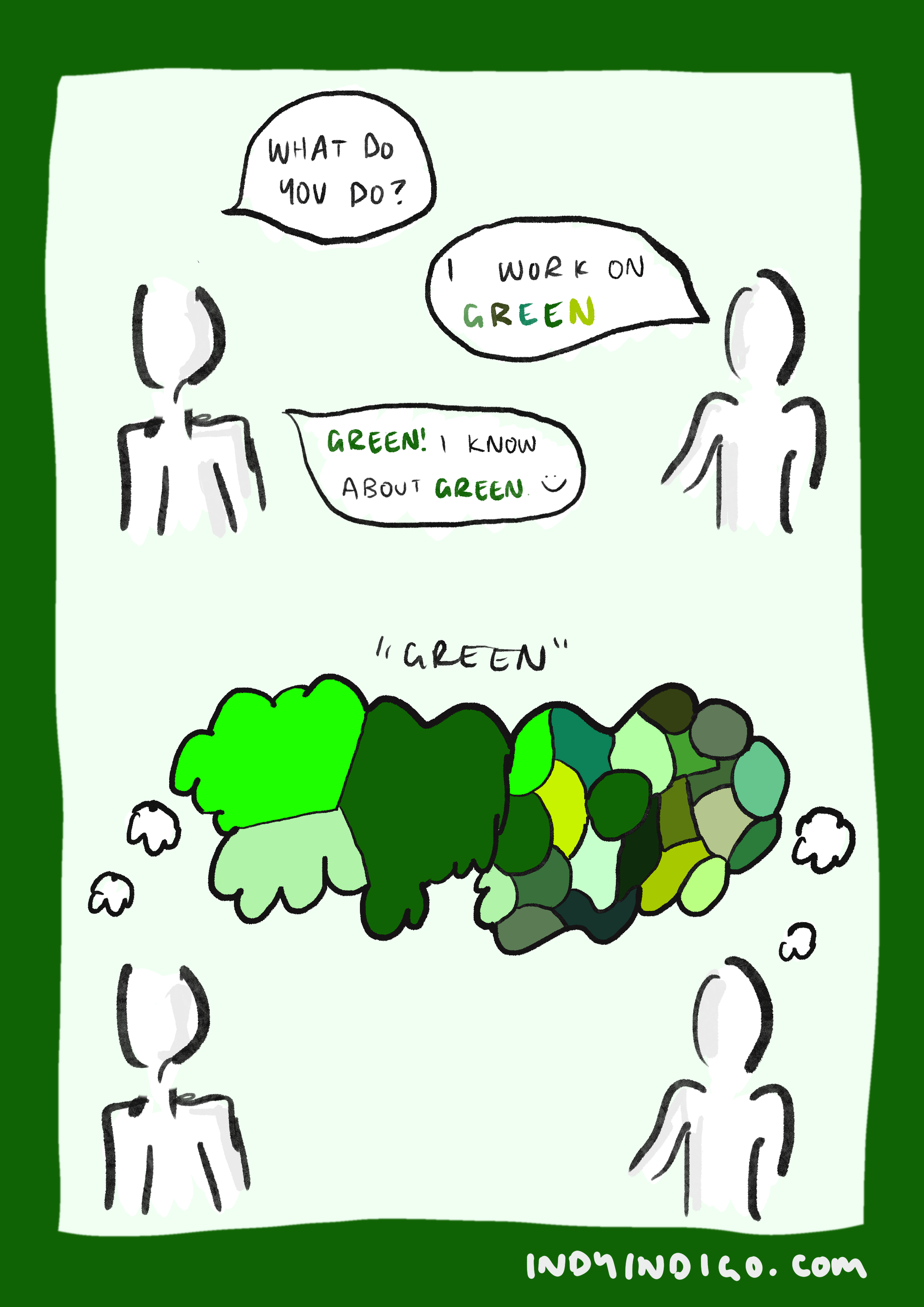
- Comic: green!
- Review: Who Gets To Be Smart? by Bri Lee.
- Moments of delight
The right epistemological tool for the job (or, what is there to know about $10?)
I want to share a story of a classic social sciences frustration:
A good friend recently did a final presentation to some biologists on her Honours project exploring care and connection with local bats.
Her study provided evidence for a way to improve the quality of community engagement with city-dwelling animals (a problem that many of the scientists in the room care very deeply about and struggle with knowing how to overcome).
She used qualitative social science methods in her work, so her data were drawn from interviews. This meant they took the form of words and themes, not numbers and trendlines. But her markers were quantitative researchers - so she was marked down, with feedback largely boiling down to "needed more numbers."
Many qualitative scientists will know this experience. And as a researcher who studies how the concept of 'science' operates in the world, I see this often: devaluing of evidence because it is not in the form you believe is legitimate. But social science methods are not 'lesser', they just probe different topics in different ways. In other words, they are a different epistemological tool.
So I thought I would share an example I frequently use when helping people think through the value of qualitative methods: what is there to know about $10?
Imagine you have never seen a $10 note before in your life, and you want to understand what it is.
The natural sciences can tell you it is blue. It is made of polymer and ink. It is waterproof. It has parts only visible under UV light. You might have more questions. What does it weigh? What temperature does it burn at? How does it react to mould, bacteria? How does it react to acids, bases? What is its tensile strength?
There is a lot of information about a $10 note that we can discover through the natural sciences. But does knowing it's blue and weighs 0.841 g actually tell you what it is?
To understand what a $10 note is, we have to see it move in society. Its meaning only matters in context of the social world. What can it get exchanged for? Where is it recognised as currency? How does its value change over time? Or in different locations? What does it mean emotionally to my grandma on the pension? What does it mean emotionally to the CEO of Westpac?
The social sciences can give us much more relevant data about a $10 note. It's not that they're 'better', but these different methods of inquiry have different purposes. They are tools for different jobs.
We still need to know the special physical characteristics of bank notes for things like counterfeit detection (and bank note technology is one of Australia's greatest innovations), but day-to-day? A bank note matters not because of what it physically is, but what it socially represents.
Looking at the results of a qualitative study design and saying it needs 'more numbers' makes about as much sense as critiquing a screwdriver for not being very good at hammering nails.
Comic: green!
Review: Who Gets To Be Smart? by Bri Lee ⭐️⭐️⭐️⭐️⭐️
In keeping with my unintentional 'knowledge' theme this month, I'm bringing back this book review from my Goodreads review archive. I can't believe this book is now five years old! But it was an excellent exploration of notions of intelligence and prestige in Australia, and Bri Lee is such a fantastically balanced and yet vulnerable memoirist.
--
‘Who Gets To Be Smart’ is part-critical analysis of Australia’s institutions and culture and part personal memoir of a woman unpacking and unlearning assumptions built up over a lifetime. It is a brilliant, contemporary, youthful perspective of Australia’s educational and power systems. Reflective, cynical and insightful - I loved it.
There was so much in this book I wholeheartedly resonated with, and much of Lee’s tensions and journey between cynicism and reverence of “smart” institutions is something I can relate to very much in my journey through and with academia. Her line at the end about little fish swimming in the ocean of language is very close to a metaphor I’ve used to describe my favourite parts of research as floating in an ocean of thoughts. And yet allowing time for that is the very thing that allows us to critique the structures in place - and who gets access to them, which Lee does so well here.
The author’s love of thinking and learning and reflecting is evident, and I am always impressed by her ability to put the ugliest parts of herself on display for critique, without making the reader too uncomfortable in viewing them. This book is also written beautifully and Lee provides a really wonderful mix of storytelling and research, making this both incredibly informative and incredibly readable, with recurring characters you were interested in meeting again.
Overall, excellent - and highly recommended.
Moments of delight
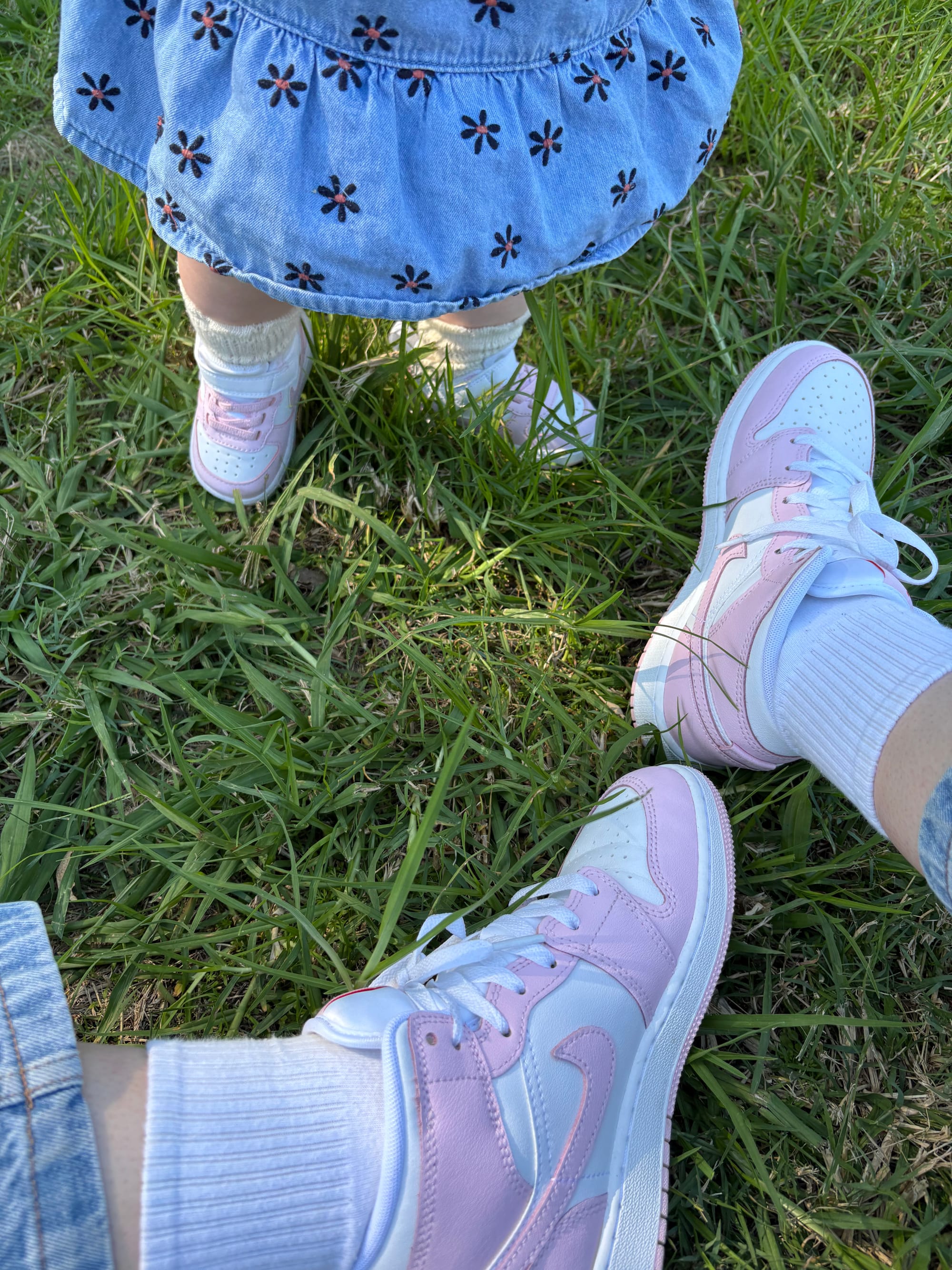
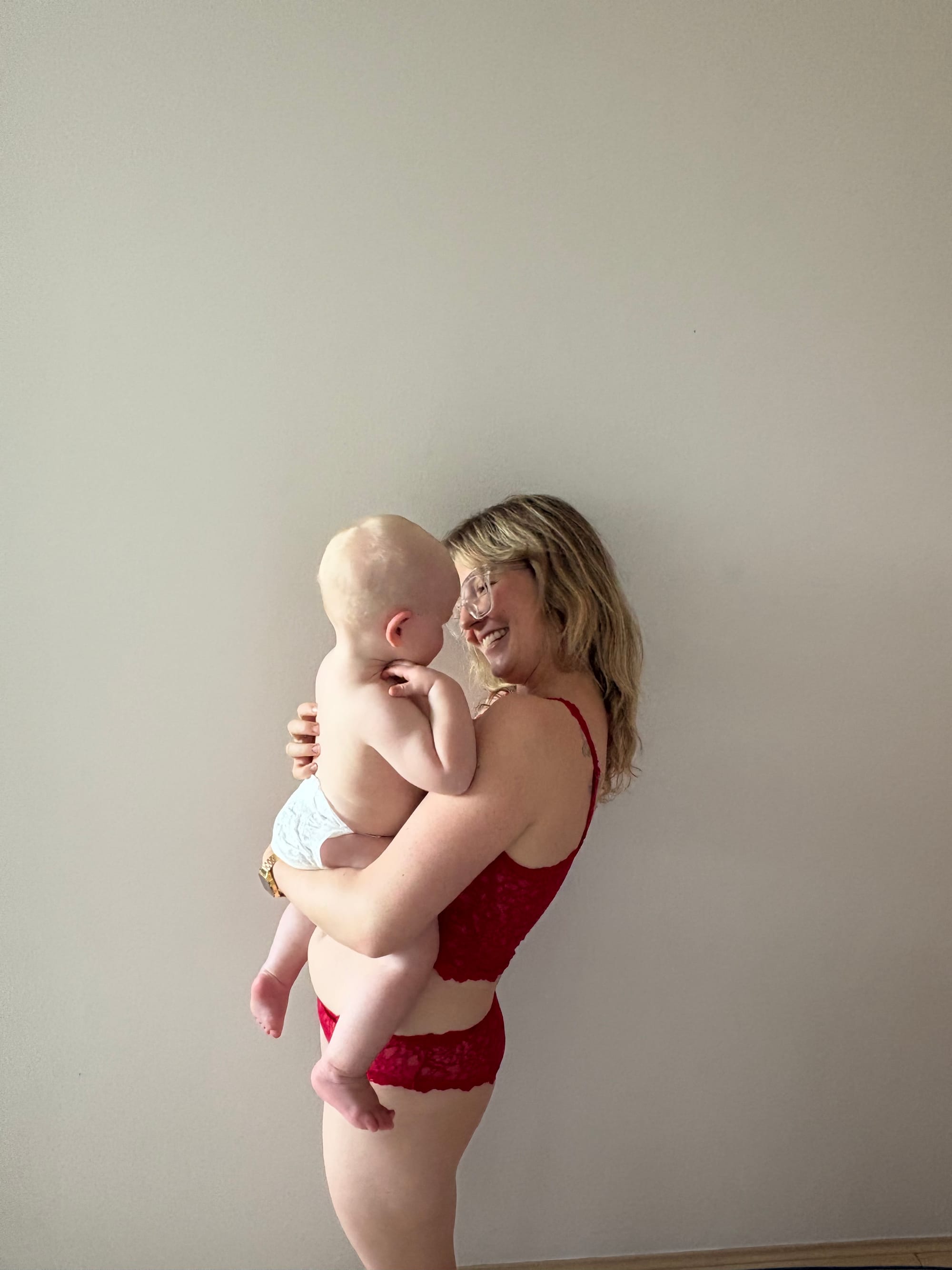


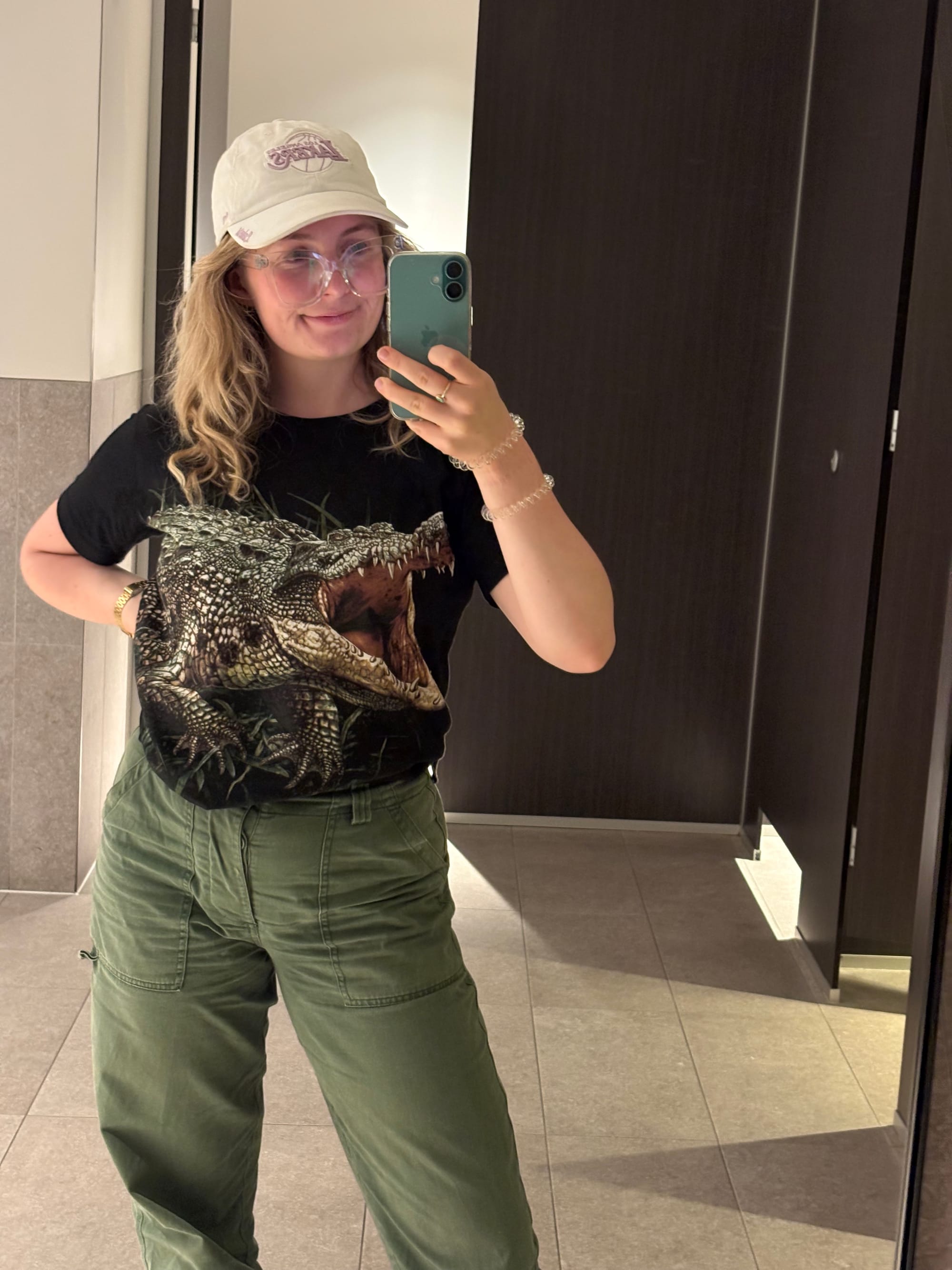

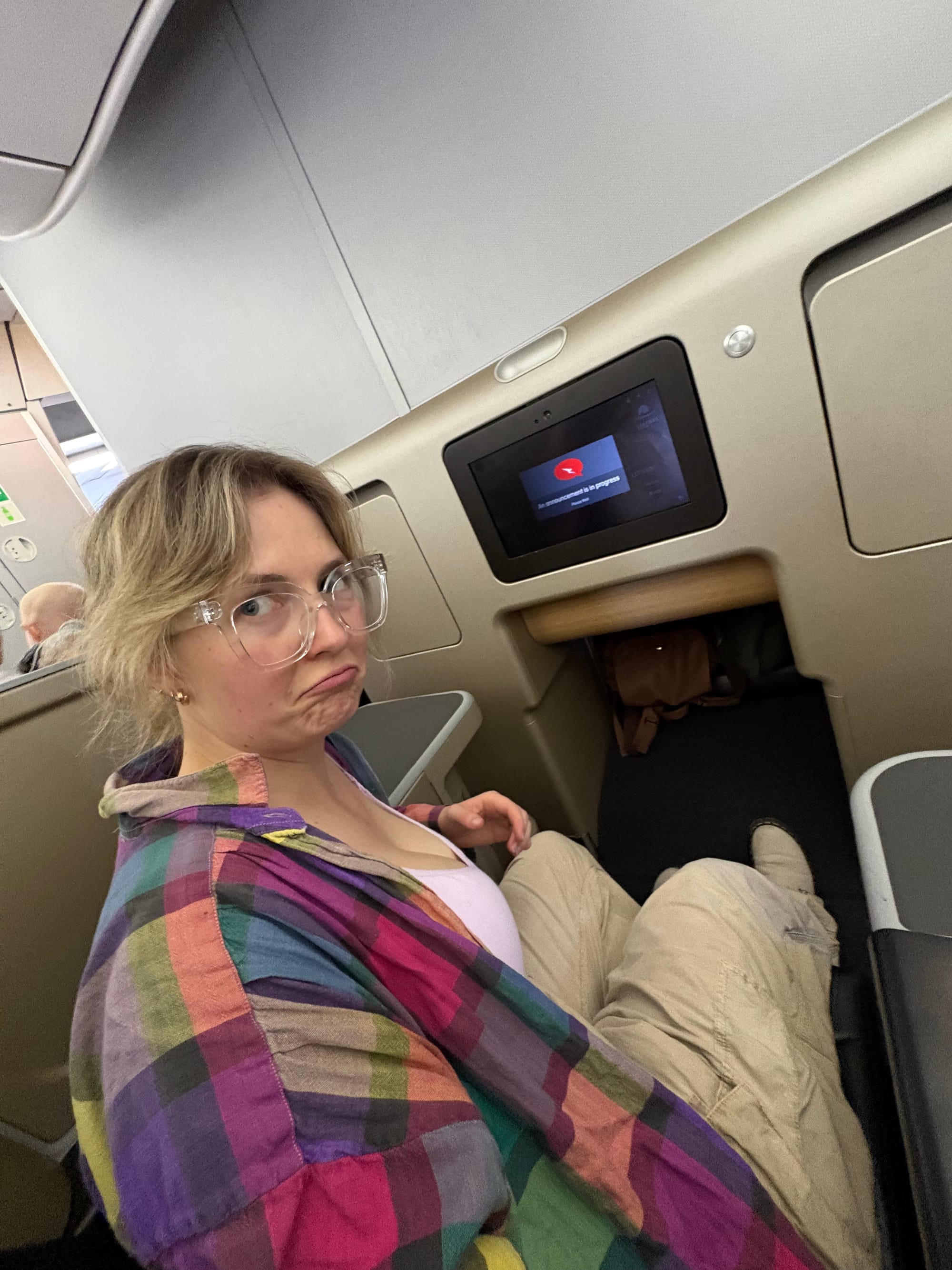
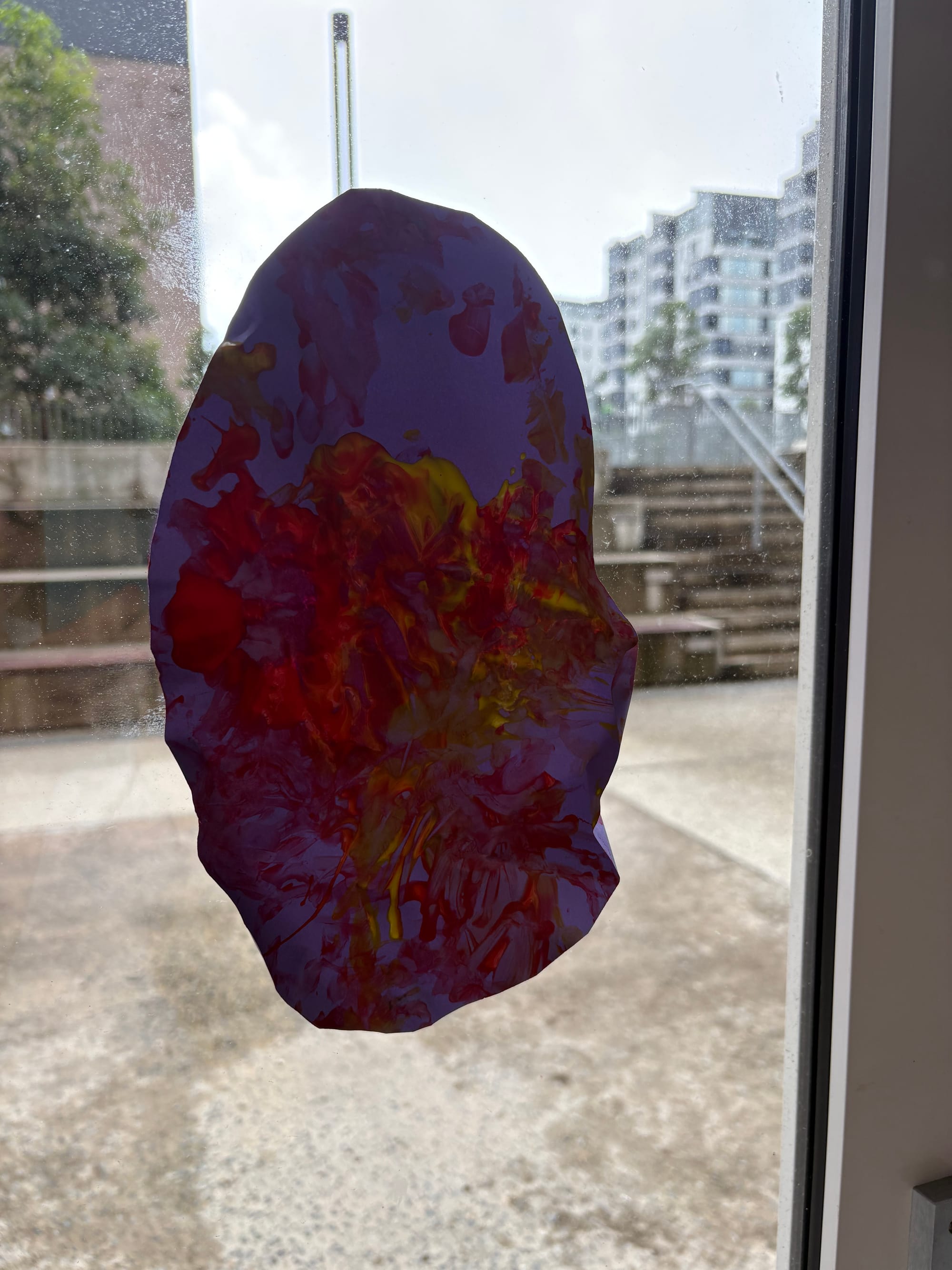
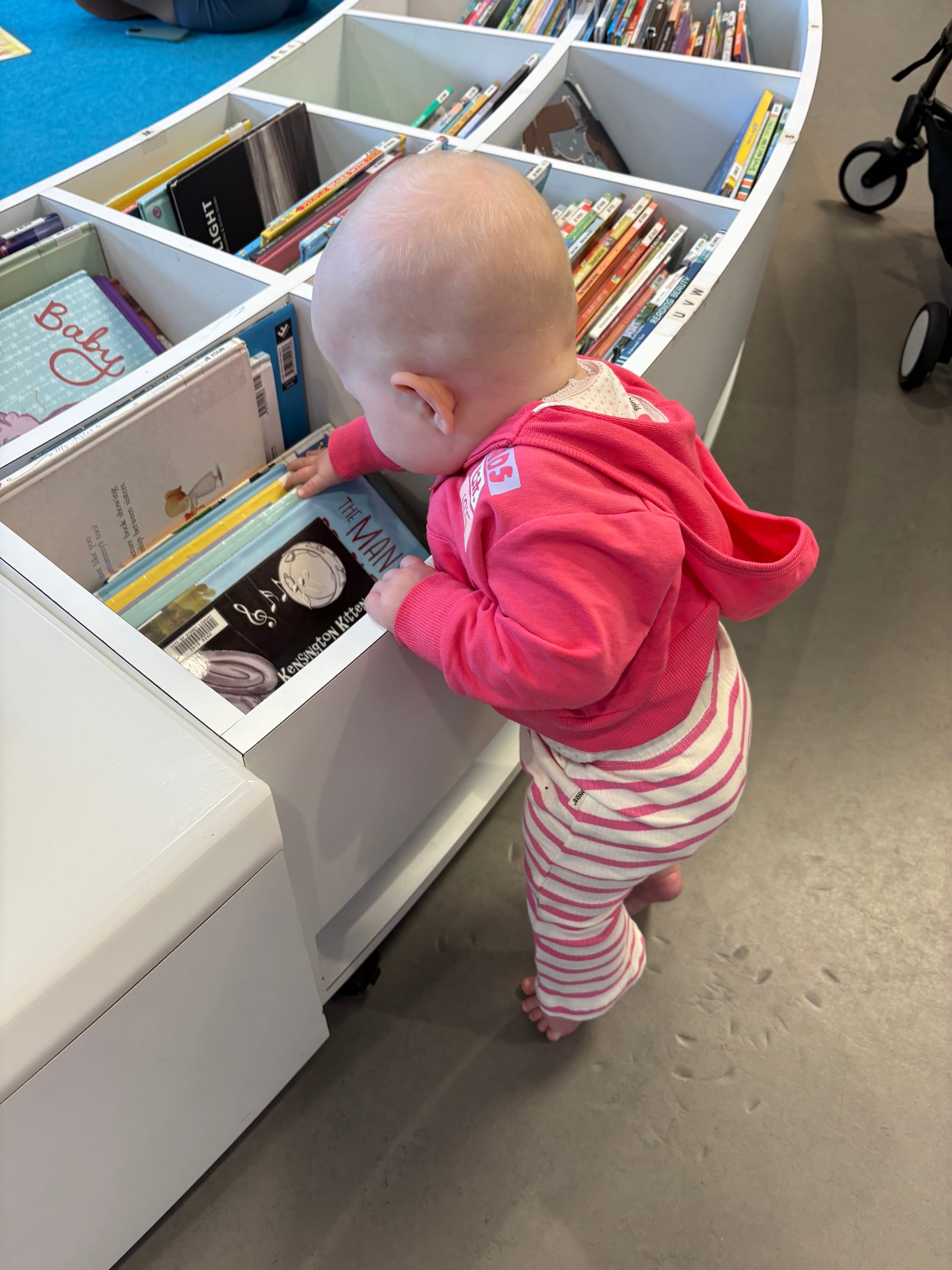
Matching mum & daughter Air Jordans <3 / marking 9 months in, 9 months out w my daughter / seeing the Phantom of the Opera on Sydney Harbour / sunset flight back from Brisbane, always in awe of those clouds / love my Australia Zoo MERCH / seeing !!!Robert Irwin!!! at Australia Zoo / getting upgraded to business for a domestic leg on an international plane! / my daughters first painting!! / Looking through books at the library <3